
Top 3 Nutrition Mistakes Unbalancing Your Hormones
By: Terri DeNeui, DNP, ACNP, APRN-BC
Food is more than fuel; it’s information.
Every bite you take sends chemical signals that influence your hormones, metabolism, energy levels, and even your mood. Many people turn to restrictive diets, thinking that cutting calories or eliminating foods is enough to “fix” their health.
Unfortunately, restrictive diets often leave you depleted and working against the hormones that drive how you feel.
When patients come to me with fatigue, stubborn weight, cravings, or irregular cycles, the conventional answer is often “eat less, move more.” In functional medicine, we ask a different question: what is your body trying to tell you, and what’s driving it? Very often, part of the answer is on the plate.
Your body interprets the foods you eat as signals, directing traffic for everything from your metabolic rate to your stress response. Cortisol, blood sugar, thyroid, and sex hormones are all part of one connected system. When poor dietary patterns push one part off balance, the others follow, paving the way for hormone imbalance and the symptoms that come with it.
Hormonal balance is also unique to each individual. What works for your friend, colleague, or neighbor may trigger fatigue, cravings, or hormonal imbalance for you. Restrictive diets or elimination plans that don’t account for your personal physiology can suppress reproductive hormones, disrupt your cortisol rhythm, and affect thyroid function.
Personalized, strategic nutrition, guided by how you feel and what your labs show, is key to optimizing energy, mood, and long-term health.
Key Takeaways
- Skipping meals, especially breakfast, is linked to a disrupted cortisol rhythm and reduced insulin sensitivity.
- Diets high in added sugar can blunt leptin (your fullness hormone) and worsen insulin resistance, a core driver of PCOS.
- Chronic under-eating signals scarcity to the brain, which can suppress ovulation and lower estrogen and progesterone.
- A hormone-supportive plate prioritizes quality protein, fiber-rich vegetables, healthy fats, and complex carbohydrates at consistent intervals.
- Strategic nutrition focused on nutrient density, not restriction, and personalized through testing, is fundamental to restoring metabolic and hormonal balance.
Mistake #1: Skipping Meals
Skipping meals, especially breakfast, is linked to a disrupted cortisol rhythm. In one study, women who habitually skipped breakfast had higher cortisol through the day and a flatter daily cortisol curve than women who ate breakfast (Witbracht et al., 2015). Omitting breakfast has also been shown to reduce insulin sensitivity (Farshchi et al., 2005).
Cortisol rises to mobilize energy when fuel doesn’t come in. When that happens day after day, it keeps blood sugar and stress hormones on a rollercoaster and can promote fat storage, particularly around the midsection. Over time, this cycle can contribute to stubborn weight gain, energy crashes, and cravings, and it makes hormone balance harder to achieve.
Fix It: Prioritize consistent, balanced meals at regular intervals, generally every 3–4 hours, to stabilize blood sugar and cortisol. Start with a protein-rich breakfast. Consistent fuel reassures your body that it is safe, helps regulate cortisol, and prevents the afternoon energy crashes that lead to poor food choices later in the day.
Mistake #2: Excess Processed Sugar
The constant blood sugar rollercoaster from a high-sugar diet promotes inflammation and hormonal disruption. Diets heavy in added sugars, particularly fructose from sweetened drinks, can blunt leptin, your satiety hormone, and weaken the signals that tell your brain you’re full (Teff et al., 2004). Over time, a pattern of highly processed foods and refined sugars is a major driver of insulin resistance, a precursor to type 2 diabetes and a core feature of PCOS (Azziz et al., 2016). Insulin resistance is also a common obstacle for women dealing with fertility challenges, and the inflammation that comes with it can worsen other hormone-related conditions.
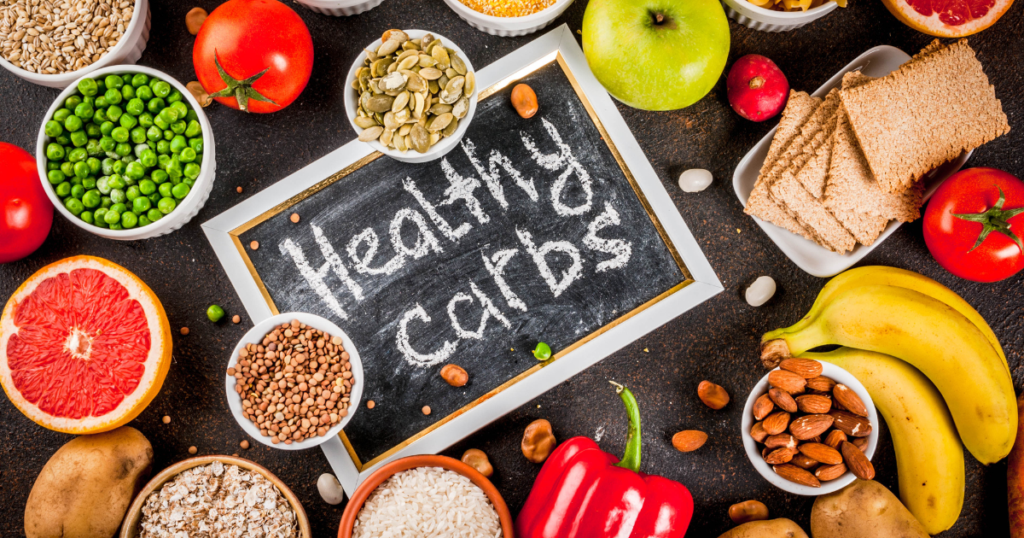
Fix It: Choose fiber-rich carbohydrates like berries, sweet potatoes, and oats. Always pair them with protein and healthy fat to blunt the glucose spike. Whole grains and other complex carbohydrates provide slow-release energy that supports stable hormone levels throughout the day. If you’re unsure where your blood sugar stands, ask your provider about fasting insulin and HbA1c. These markers can reveal insulin resistance years before glucose alone does.
Mistake #3: Over-Restriction
Severely limiting calories or cutting out healthy fats works against hormone production. When energy intake drops too low, the brain reads it as a period of scarcity. It turns down the signals that trigger ovulation, and estrogen and progesterone fall with it (Loucks & Thuma, 2003). In effect, your body pauses systems that aren’t essential for immediate survival, and reproduction is first on that list.
Fat matters here too. Estrogen, progesterone, and testosterone are all made from cholesterol, and dietary fat supports that process. Over time, chronic under-eating can lead to irregular cycles, low libido, fatigue, and even bone loss. Subtle ovulatory disturbances in women with otherwise regular cycles have been linked to measurable declines in spinal bone density (Li et al., 2014).
Fix It: Eat enough to fuel your life, especially if you’re active. Include healthy fats such as avocado, olive oil, nuts, seeds, and fatty fish at every meal to support hormone production. Pay attention to key minerals as well. Selenium and iodine are critical for thyroid function, supporting the gland that regulates your metabolism (Ventura et al., 2017).
Building Your Hormone-Supportive Diet Plan
True hormone-balancing nutrition is about strategic nourishment, not deprivation. Build each meal with intention:
- Quality Protein (eggs, fish, chicken, tofu, lentils): Provides essential amino acids and supports neurotransmitter production for mood and stable blood sugar.
- Colorful, Fibrous Vegetables (leafy greens, broccoli, peppers): Help regulate glucose, feed a healthy gut, and support your body’s natural clearance of used hormones.
- Healthy Fats (avocado, olive oil, nuts, seeds): Support hormone production and help you absorb fat-soluble vitamins like vitamin D.
- Smart, Complex Carbs (sweet potatoes, quinoa, oats): Provide sustained energy without spiking blood sugar.
- Hydration: Water is crucial for every metabolic process, including transporting hormones throughout your body.
- Limit Alcohol: Alcohol can disrupt sleep, raise cortisol, and put extra stress on your liver, which is responsible for metabolizing hormones.
Key Micronutrients: Zinc, magnesium, B vitamins, and vitamin D are important cofactors in hormone production, neurotransmitter function, and blood sugar regulation. Magnesium, for example, plays a direct role in insulin signaling, and low magnesium is linked to insulin resistance (Volpe, 2013).
Everyone’s needs are different, so this is where testing matters. Checking levels of vitamin D, magnesium, zinc, and B12, along with thyroid and blood sugar markers, shows where your body needs support, so you’re treating the root cause instead of guessing or masking symptoms.
Stop Guessing, Start Nourishing
Shifting away from these common mistakes and toward a nutrient-dense, balanced approach gives your body what it needs for hormonal and metabolic health. You can reduce hormonal stress, improve energy, and support long-term wellness.
Navigating nutrition and hormone balance can feel overwhelming, but it doesn’t have to be. Focus on whole, unprocessed foods, pay attention to your body’s signals, and work with a provider who looks at the whole picture, including your labs. That’s how you build a sustainable approach that fits your physiology, not someone else’s. It’s not about perfection. It’s about consistently making choices that nourish your endocrine system.
Ready to implement? Download our free guide, Stop Guessing What to Eat, to get meal timing strategies designed to fuel your hormones and restore your energy.
References
Azziz, R., Carmina, E., Chen, Z., et al. (2016). Polycystic ovary syndrome. Nature Reviews Disease Primers, 2, 16057.
Farshchi, H. R., Taylor, M. A., & Macdonald, I. A. (2005). Deleterious effects of omitting breakfast on insulin sensitivity and fasting lipid profiles in healthy lean women. American Journal of Clinical Nutrition, 81(2), 388–396.
Li, D., Hitchcock, C. L., Barr, S. I., Yu, T., & Prior, J. C. (2014). Negative spinal bone mineral density changes and subclinical ovulatory disturbances: Prospective data in healthy premenopausal women with regular menstrual cycles. Epidemiologic Reviews, 36(1), 137–147.
Loucks, A. B., & Thuma, J. R. (2003). Luteinizing hormone pulsatility is disrupted at a threshold of energy availability in regularly menstruating women. Journal of Clinical Endocrinology & Metabolism, 88(1), 297–311.
Teff, K. L., Elliott, S. S., Tschöp, M., et al. (2004). Dietary fructose reduces circulating insulin and leptin, attenuates postprandial suppression of ghrelin, and increases triglycerides in women. Journal of Clinical Endocrinology & Metabolism, 89(6), 2963–2972.
Ventura, M., Melo, M., & Carrilho, F. (2017). Selenium and thyroid disease: From pathophysiology to treatment. International Journal of Endocrinology, 2017, 1297658.
Volpe, S. L. (2013). Magnesium in disease prevention and overall health. Advances in Nutrition, 4(3), 378S–383S.
Witbracht, M., Keim, N. L., Forester, S., Widaman, A., & Laugero, K. (2015). Female breakfast skippers display a disrupted cortisol rhythm and elevated blood pressure. Physiology & Behavior, 140, 215–221.