
The Gut-Hormone Connection: Why Digestive Health Matters
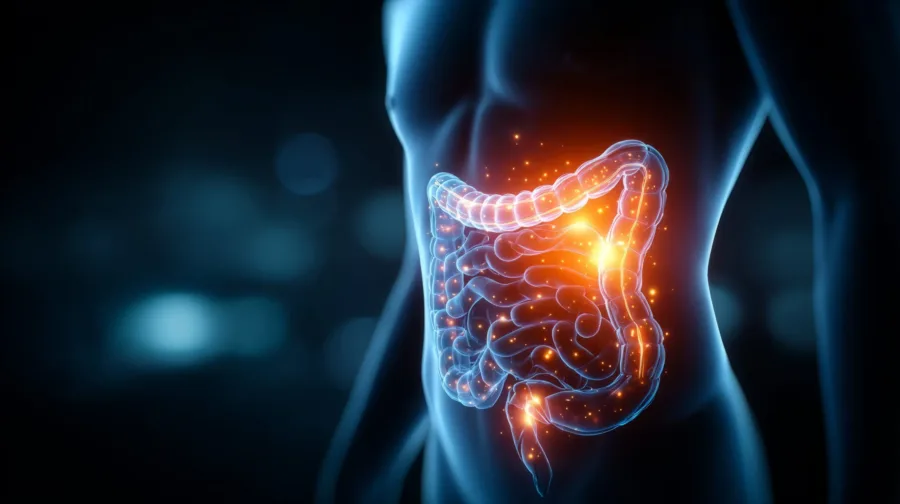
The digestive system does far more than just break down food. Your gut is a central communication hub of communication between the body’s metabolic, immune, hormonal, and nervous systems. When it functions well, it supports resilience, clarity, and vitality. When it becomes imbalanced, the effects can ripple far beyond digestion.
For many patients, improving gut health becomes one of the most important steps toward restoring overall wellness, physically, mentally, and emotionally.
The Gut as a Regulator of Health
The gut is home to trillions of microorganisms collectively known as the microbiome. These microbes help regulate digestion, nutrient absorption, immune signaling, and even hormone metabolism. Research shows that the microbiome influences hormone levels and systemic health, underscoring its role as a central regulator rather than a passive digestive organ.
Because of this, the gut often acts as a bridge between lifestyle factors: what you eat, how you manage stress, how well you sleep, and how your body ultimately functions.
When the microbiome is balanced, it helps support:
- Efficient digestion and nutrient utilization
- Healthy immune system signaling
- Hormone regulation and metabolism
- Energy production and metabolic stability
- Neurotransmitter production that influences mood and cognition
In fact, the gut produces or influences many key brain chemicals involved in mood and stress resilience, highlighting how closely digestive health and emotional well-being are linked.

The Gut–Brain Connection
The relationship between the gut and brain is bidirectional. Signals constantly travel between the digestive system and the central nervous system through what’s known as the gut-brain axis. Emotional stress can alter gut function, while digestive imbalance can influence mood, focus, and stress responses.
Stress hormones such as cortisol can disrupt the balance of beneficial bacteria and alter digestion, which may in turn affect immune defenses and metabolic regulation.
This feedback loop explains why chronic stress often shows up as digestive discomfort, fatigue, brain fog, or difficulty maintaining metabolic balance, and why restoring gut health frequently improves more than just digestion.

Food, Lifestyle, and the Microbiome
What you eat plays a central role in shaping your microbiome. Nutrient-dense, fiber-rich foods tend to support microbial diversity and healthy immune signaling, while highly processed diets can contribute to imbalance and inflammation.
But diet is only one part of the picture.
Stress, sleep patterns, physical activity, medications, and environmental exposures all influence the microbiome’s composition. Because the gut responds to both biological and emotional inputs, supporting it often requires a broader approach than simply changing what’s on your plate.
This is where a mind-body perspective becomes essential.

Gut Health and Hormone Balance
The gut plays an important role in hormone regulation, not just through nutrient absorption, but through its ability to influence how hormones are produced, metabolized, and eliminated from the body.
A balanced microbiome helps maintain healthy signaling pathways between the adrenal glands, thyroid, and sex hormones. When gut function becomes disrupted, it can contribute to hormonal patterns that affect energy, metabolism, mood, and sleep.
That’s why evaluating gut health is often a foundational step in understanding broader hormonal concerns.
Supporting Healthy Aging from the Inside Out
As we age, the body’s ability to maintain equilibrium becomes increasingly dependent on internal resilience. A healthy gut helps regulate inflammation, support immune defenses, and maintain efficient nutrient processing, all of which influence how we feel and function over time.
Rather than viewing gut health as a narrow digestive issue, it’s more accurate to see it as part of the body’s core infrastructure for longevity and vitality.
When the gut is supported, patients often notice improvements in energy, clarity, stress tolerance, and overall well-being, not because one symptom was treated, but because the body’s underlying systems began working together more effectively.

A Whole-Person Approach to Wellness
True wellness rarely comes from addressing one system in isolation. The digestive system interacts continuously with the brain, endocrine system, and immune network.
By looking at gut health as part of a larger mind-body-spirit framework, clinicians can better understand the patterns influencing how a person feels — and develop strategies that support long-term health rather than temporary fixes.
Because sometimes the most meaningful improvements begin with restoring balance at the foundation.

Curious whether your gut health may be influencing your energy, hormones, or overall well-being?
A personalized consultation can help uncover the patterns affecting your health and identify steps toward restoring balance from the inside out.